
Market Updates · Buying
Fewest Buyers Since 2013. So Why Aren't Prices Dropping?
Redfin counts the fewest U.S. buyers on record, yet prices are holding. Owners with low rates and equity are the reason, and Oʻahu has plenty of them.

Quick answer
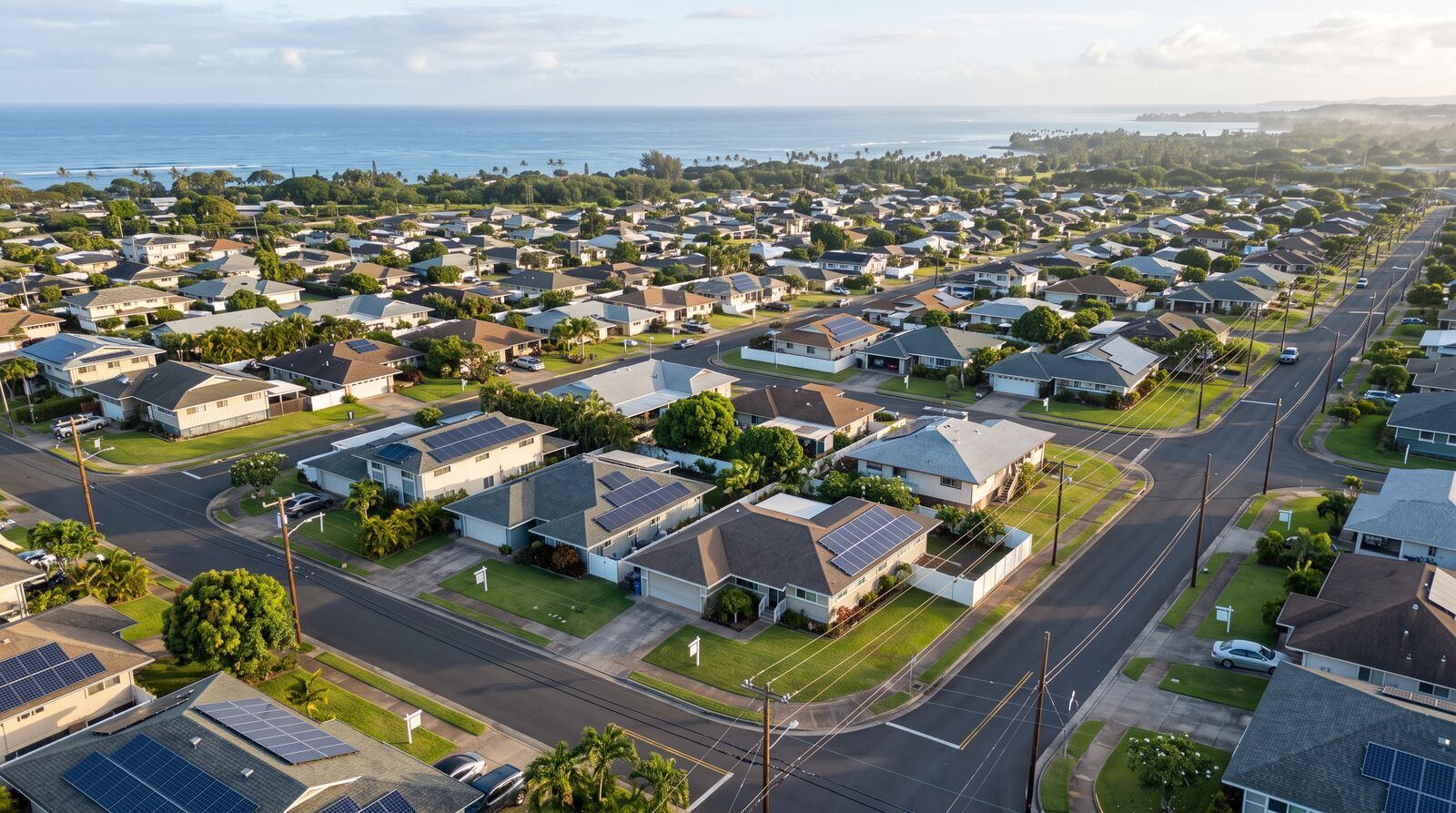
Redfin counted about 62.6% more sellers than buyers in the U.S. in September, with buyer numbers at their lowest since 2013. Prices aren't falling much because most owners have low rates or no mortgage and don't have to sell, so the slowdown shows up as homes sitting longer. On Oʻahu that holds even more strongly, but condos with rising fees can behave differently than single-family homes.
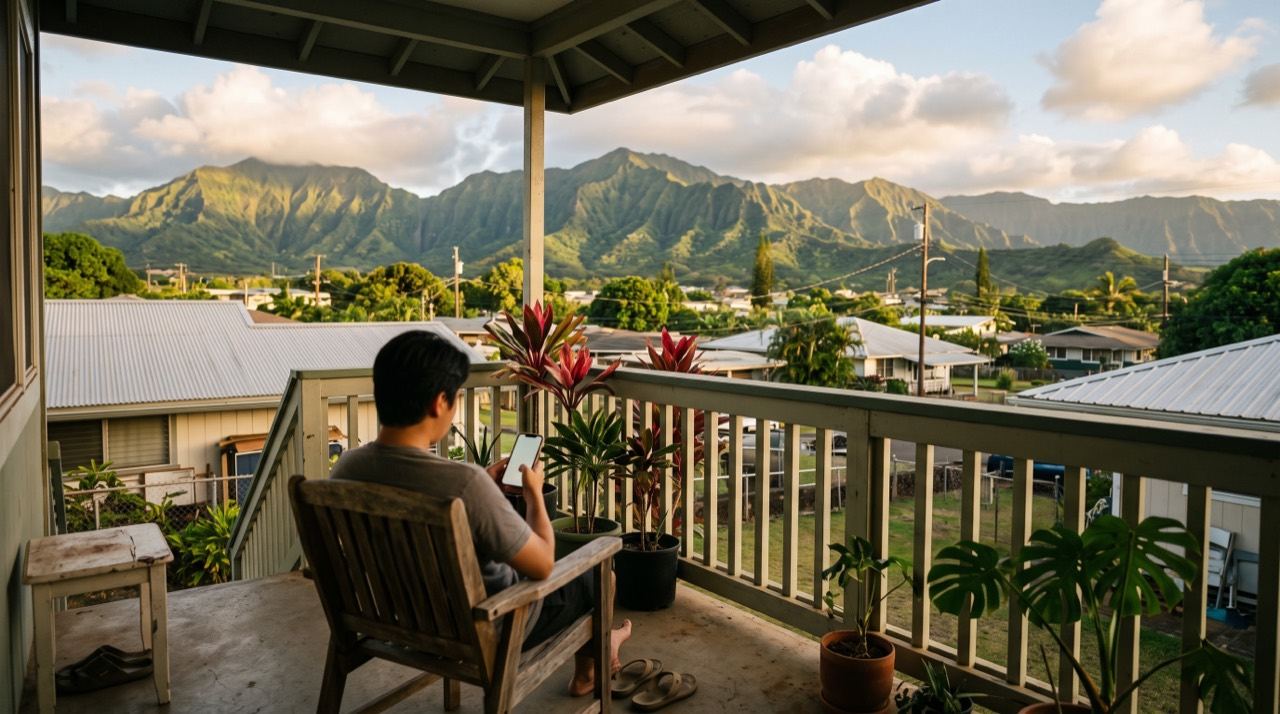
Most of us know someone with a house they complain about but would never sell. The kitchen's too small, the second bathroom is basically a closet, and the drive into town eats an hour on a bad H-1 day. But they locked in a rate under 3% back in 2021, so they're staying right where they are.
Turns out that feeling is steering the whole national housing market right now.
Plenty of Sellers, Not Many Shoppers
New data from Redfin shows the number of home buyers in the U.S. has dropped to its lowest level since the company started tracking in 2013. In September, there were about 62.6% more sellers than buyers across the country. That's the fourth straight month of a record gap, up from 56.9% in August.
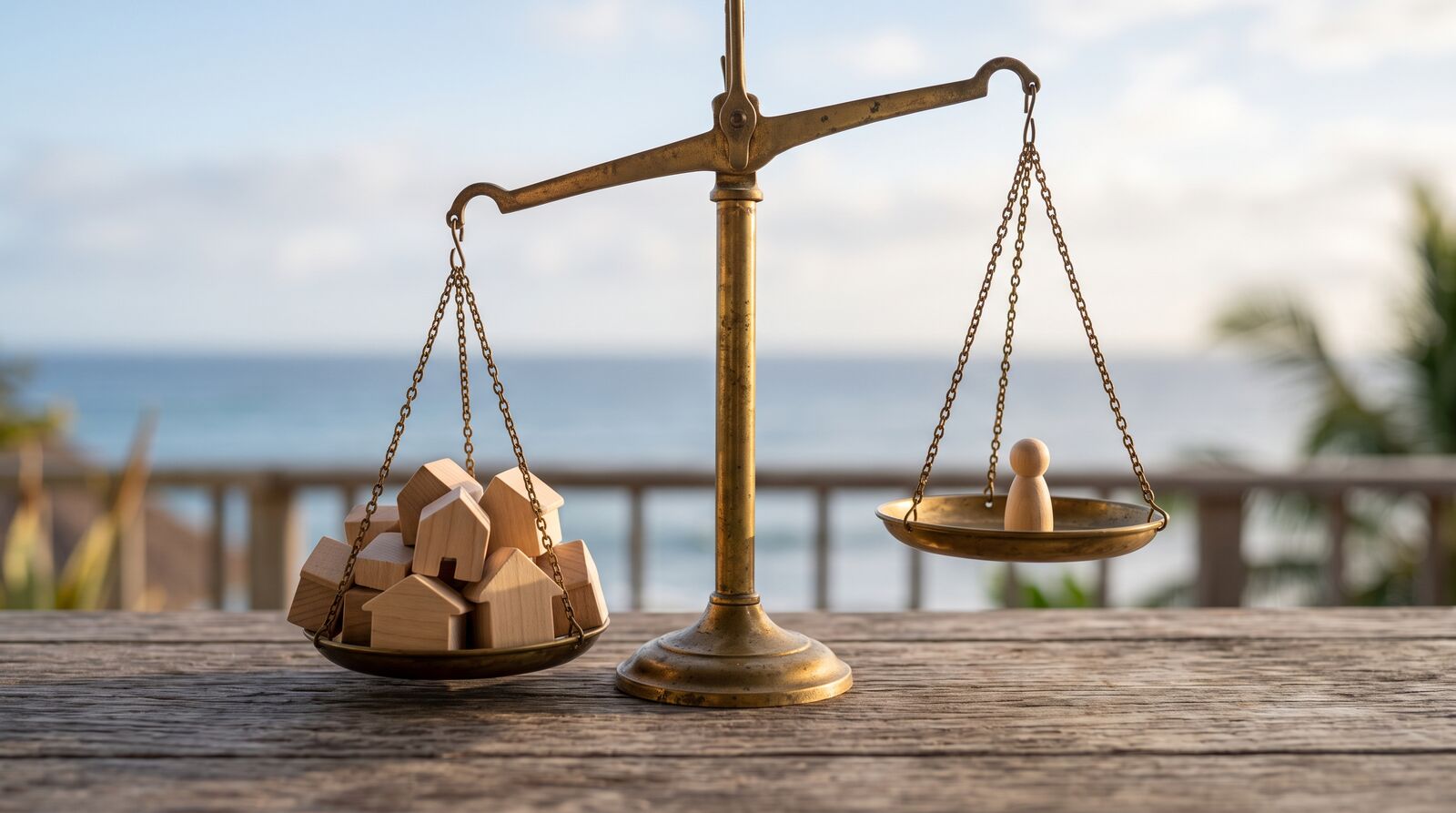
On paper, that's a buyer's market. And for people who can actually afford to buy, it is. Redfin senior economist Asad Khan described it as a buyer's market born out of caution, not strength. Buyers have real leverage because so many others have been priced out or scared off by the economy. If you're in a position to buy, you can be picky, push back on details, and walk away if something better comes along.
The catch is the cost of getting in the door. The average 30-year fixed rate was 6.86% in September, up from 6.67% in August, and the weekly average topped 7% by the end of the month. Pending home sales fell 4% from August, the biggest monthly drop in more than three years, and sit at their lowest level since spring 2014 (not counting April 2020).
“Hate My House, Love My Mortgage”
So if buyers are this scarce, why aren't prices falling like they did in 2008?
Mostly because owners don't have to sell. Roughly 40% of U.S. homes are owned free and clear, and about half of homes with a mortgage carry a rate under 4%, according to Amanda Orson, founder and CEO of the real estate investing platform Galleon. She shared the phrase a banker she works with uses for this market: “hate my house, love my mortgage.”
When demand dries up, those owners shave a little off the price, wait longer, or pull the listing. During the Great Recession, foreclosures and forced sales flooded the market and dragged prices down with them. That pressure isn't there today. Nationally, home-sale prices were still up 1.3% from a year earlier in September, the smallest annual gain since February.
Instead, the slowdown shows up as homes sitting longer and more listings expiring. One Nashville broker said about half the listings there failed to sell last quarter.
Why This Feels Familiar on Oʻahu
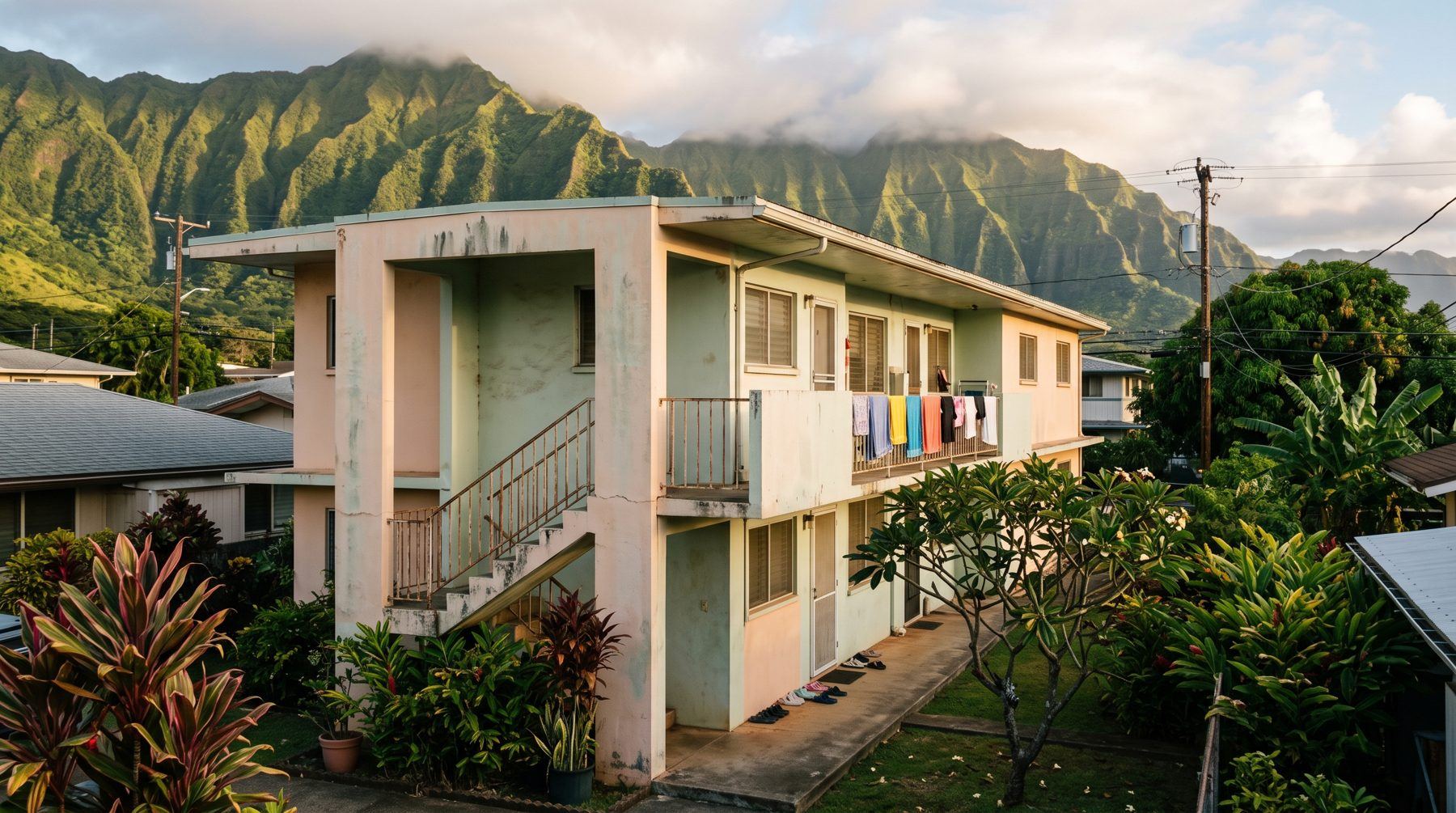
If you've lived here a while, this probably isn't news to you. Oʻahu has always had a big share of owners who aren't going anywhere. Families who bought decades ago. Kūpuna sitting on serious equity. Multigenerational households where the house is staying in the family, period. Those aren't people who panic-sell when things slow down.
Military families add their own twist. When PCS orders come through, a lot of service members with low-rate VA loans choose to rent the house out instead of selling, because trading a 3% loan for a 7% one somewhere else doesn't make much sense. If you're on the buying side of a PCS move, our VA loan and financing guide covers how those loans work here.
Add in our limited land and a housing shortage that's been around longer than most of us can remember, and it would take a lot more than a slow season to knock prices down in a big way here.
Same Island, Different Markets
Not every home holds its value the same way, though. Ben Mizes of Clever Real Estate expects dips in high-inventory states like Florida and Texas, with national prices mostly flattening out.
Things can split even inside one town. In Coronado, California, oceanfront condos had about 10 months of supply, which is firmly buyer's market territory. Single-family homes in the same town had about 3.6 months. A local broker there expects well-priced homes to keep selling while overpriced ones sit and take reductions.
That kind of split is worth watching here, too. A single-family home in a neighborhood where people rarely sell is a different situation than a unit in an older high-rise dealing with rising maintenance fees or a big repair project. Same island, very different leverage. If you're weighing the two, start with Honolulu condo vs. house.
So what kind of market is this, really? A patient one. Sellers who don't need to move are waiting it out. Buyers who can afford it have more room to negotiate than they've had in years. And just about everyone is keeping one eye on rates.
If you're buying, this could be one of those rare stretches where you get to slow down and ask for things. If you're selling, pricing it right from the start matters more than usual, since the homes that sit are the ones that end up taking cuts. And if you're the one with the cramped kitchen and the 2.75% rate? Nobody's going to blame you for hanging on a little longer.
Sources
- National Mortgage Professional: Home sellers outnumber buyers by 63%, pending home sales near 12-year low (October 14, 2026, reporting Redfin's September data)
- Fox 9: US pending home sales sink near 12-year low as rates top 7% (October 12, 2026)
- Pacific Business News: report on the Redfin data and the seller-buyer gap (October 14, 2026)